Sciatica Treatment in Barnsley
Pain travelling from your lower back into your buttock or down your leg can make everyday activities difficult. Whether you’re struggling to sit comfortably at work, drive, exercise or sleep through the night, sciatica can have a significant impact on your quality of life.
Condition
Private Physiotherapy for Sciatic Nerve Pain
At Function First, our Chartered Physiotherapists provide expert assessment and treatment for sciatica from our clinic at Redbrook Business Park in Barnsley. Rather than simply treating the symptoms, we identify what is irritating the sciatic nerve and create a personalised rehabilitation programme designed to reduce pain, improve movement and lower the risk of the problem returning.
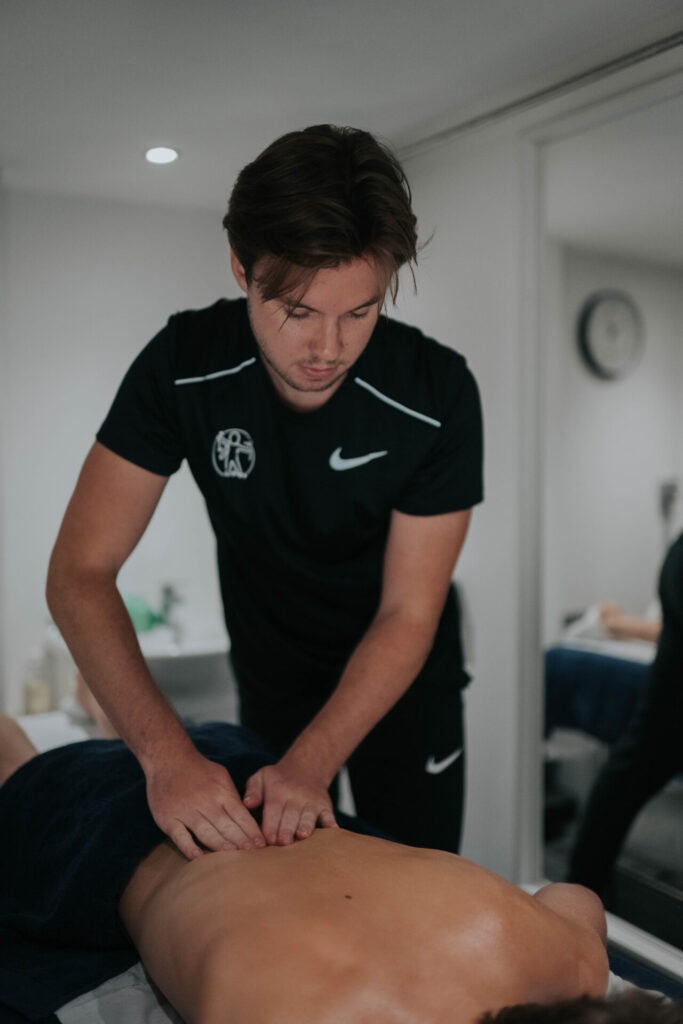
Every treatment plan is tailored to you and may include hands-on physiotherapy, targeted exercises, movement retraining and progressive strength work in our on-site rehabilitation gym.
Whether your symptoms have only recently started or you’ve been living with recurring sciatic pain for months, we’re here to help you move with confidence again.
Every treatment plan is tailored to you and may include hands-on physiotherapy, targeted exercises, movement retraining and progressive strength work in our on-site rehabilitation gym.
Whether your symptoms have only recently started or you’ve been living with recurring sciatic pain for months, we’re here to help you move with confidence again.
Condition
Why Choose Function First for Sciatica Treatment?
- Chartered Physiotherapists registered with the HCPC and CSP
- Thorough assessment to identify the cause of your symptoms
- Individual treatment plans tailored to your goals
- Modern rehabilitation gym for progressive recovery
- Exercise programmes delivered through our patient app
- No GP referral required
- Convenient Barnsley clinic with free parking
- Same physiotherapist throughout your treatment where possible

Condition
What Is Sciatica?
Sciatica describes pain caused by irritation or compression of the sciatic nerve, the largest nerve in the body. The nerve begins in the lower back before travelling through the buttock and down each leg. When it becomes irritated, pain can travel anywhere along this pathway, although symptoms usually affect one side of the body.
People often describe sciatica as a sharp, burning or shooting pain that starts in the lower back or buttock before travelling down the back of the thigh. Some people experience pins and needles, numbness or weakness in the leg or foot, while others find prolonged sitting or bending particularly uncomfortable.
Sciatica itself is not a diagnosis. Instead, it is a symptom that indicates the sciatic nerve is being irritated somewhere along its course. Understanding exactly why the nerve has become irritated is the key to successful treatment, which is why every assessment at Function First is tailored to identify the underlying cause rather than simply treating the symptoms.
Sciatica is commonly associated with lower back pain, although not everyone experiences significant back discomfort. Some patients notice leg pain long before they become aware of stiffness in their lower back.
People often describe sciatica as a sharp, burning or shooting pain that starts in the lower back or buttock before travelling down the back of the thigh. Some people experience pins and needles, numbness or weakness in the leg or foot, while others find prolonged sitting or bending particularly uncomfortable.
Sciatica itself is not a diagnosis. Instead, it is a symptom that indicates the sciatic nerve is being irritated somewhere along its course. Understanding exactly why the nerve has become irritated is the key to successful treatment, which is why every assessment at Function First is tailored to identify the underlying cause rather than simply treating the symptoms.
Sciatica is commonly associated with lower back pain, although not everyone experiences significant back discomfort. Some patients notice leg pain long before they become aware of stiffness in their lower back.
Condition
Signs You May Have Sciatica
Sciatica symptoms vary from person to person, depending on where the nerve is being irritated and how much pressure is affecting it.
Common symptoms include:
Common symptoms include:
- Pain travelling from the lower back or buttock into the leg
- Burning or shooting pain below the knee
- Tingling or pins and needles in the calf or foot
- Numbness in part of the leg or foot
- Weakness when walking or climbing stairs
- Pain that worsens after sitting for long periods
- Increased discomfort when coughing, sneezing or bending forwards
- Difficulty sleeping because of leg pain
Some people experience constant symptoms, while others notice their pain comes and goes depending on their activity levels.
If you’re unsure whether your symptoms are caused by sciatica, an assessment with one of our physiotherapists can help determine the source of your pain and whether another condition may be responsible.
If you’re unsure whether your symptoms are caused by sciatica, an assessment with one of our physiotherapists can help determine the source of your pain and whether another condition may be responsible.
Condition
What Causes Sciatica?
Sciatica develops when the sciatic nerve or one of the nerve roots leaving the lower spine becomes irritated or compressed. Although the symptoms can feel very similar, the underlying cause varies between individuals.
One of the most common causes is a lumbar disc injury, where part of an intervertebral disc places pressure on a nearby nerve root. This often develops following repeated bending, lifting, prolonged sitting or occasionally after a sudden movement.
Age-related changes within the spine can also contribute. As joints and discs naturally change over time, the spaces surrounding the nerves may become narrower, leading to irritation during walking or prolonged standing.
In some cases, tight muscles around the buttock, particularly the piriformis muscle, can place pressure on the sciatic nerve as it travels through the pelvis. This may cause symptoms that closely resemble disc-related sciatica.
Less commonly, sciatica may develop following trauma, inflammatory conditions or previous spinal surgery.
Regardless of the cause, successful treatment depends on accurately identifying which structure is responsible for your symptoms. This is why a detailed clinical assessment is essential before beginning rehabilitation.
One of the most common causes is a lumbar disc injury, where part of an intervertebral disc places pressure on a nearby nerve root. This often develops following repeated bending, lifting, prolonged sitting or occasionally after a sudden movement.
Age-related changes within the spine can also contribute. As joints and discs naturally change over time, the spaces surrounding the nerves may become narrower, leading to irritation during walking or prolonged standing.
In some cases, tight muscles around the buttock, particularly the piriformis muscle, can place pressure on the sciatic nerve as it travels through the pelvis. This may cause symptoms that closely resemble disc-related sciatica.
Less commonly, sciatica may develop following trauma, inflammatory conditions or previous spinal surgery.
Regardless of the cause, successful treatment depends on accurately identifying which structure is responsible for your symptoms. This is why a detailed clinical assessment is essential before beginning rehabilitation.
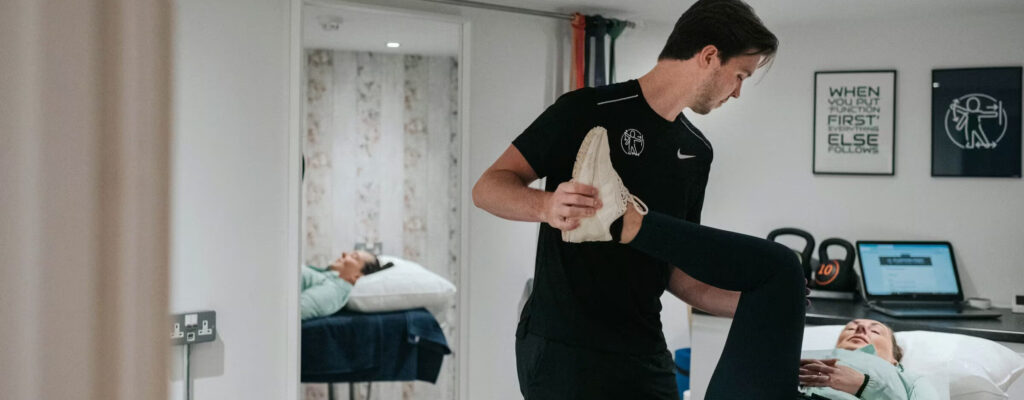
When Should You Seek Treatment?
Many episodes of sciatic pain improve over time, but persistent symptoms shouldn’t simply be ignored.
We recommend arranging an assessment if:
We recommend arranging an assessment if:
- Your pain has continued for more than a week.
- Pain is travelling below your knee.
- Sitting, walking or sleeping has become uncomfortable.
- You're noticing tingling, numbness or weakness in your leg.
- Symptoms are affecting work, sport or everyday activities.
- The pain keeps returning.
Early assessment often helps prevent symptoms becoming more persistent and allows rehabilitation to begin before movement patterns become increasingly restricted.
When Should You Seek Urgent Medical Attention?
Although uncommon, certain symptoms require immediate medical assessment.
Seek emergency medical care immediately if you experience:
Seek emergency medical care immediately if you experience:
- Loss of bladder or bowel control.
- Numbness around the saddle or groin area.
- Sudden or rapidly worsening weakness in one or both legs.
- Severe symptoms affecting both legs.
These symptoms require urgent assessment and should not be managed through routine physiotherapy.
Condition
How We Diagnose Sciatica
No two cases of sciatica are the same. Although many people experience similar symptoms, the reason behind the pain can vary considerably. Identifying the source of the problem is the first step towards effective treatment.
During your initial appointment, one of our Chartered Physiotherapists will take the time to understand how your symptoms started, what activities make them worse and how they’re affecting your daily life. We’ll also ask about your medical history, lifestyle and any previous episodes of back or leg pain to build a complete picture of your condition.
Your assessment may include:
During your initial appointment, one of our Chartered Physiotherapists will take the time to understand how your symptoms started, what activities make them worse and how they’re affecting your daily life. We’ll also ask about your medical history, lifestyle and any previous episodes of back or leg pain to build a complete picture of your condition.
Your assessment may include:
- A discussion about your symptoms and medical history
- Assessment of your posture and movement patterns
- Examination of your lower back, hips and pelvis
- Neurological testing to assess muscle strength, sensation and reflexes
- Functional movement assessment
- Nerve tension testing where appropriate
Rather than relying solely on where your pain is located, we assess how your body moves to identify the underlying cause of the problem. This allows us to develop a treatment plan that’s specific to you, rather than offering the same advice to everyone with sciatic pain.
In most cases, imaging such as MRI scans is not required before starting physiotherapy. If your symptoms suggest further investigation or onward referral is needed, we’ll explain this clearly and ensure you receive the appropriate care.
In most cases, imaging such as MRI scans is not required before starting physiotherapy. If your symptoms suggest further investigation or onward referral is needed, we’ll explain this clearly and ensure you receive the appropriate care.
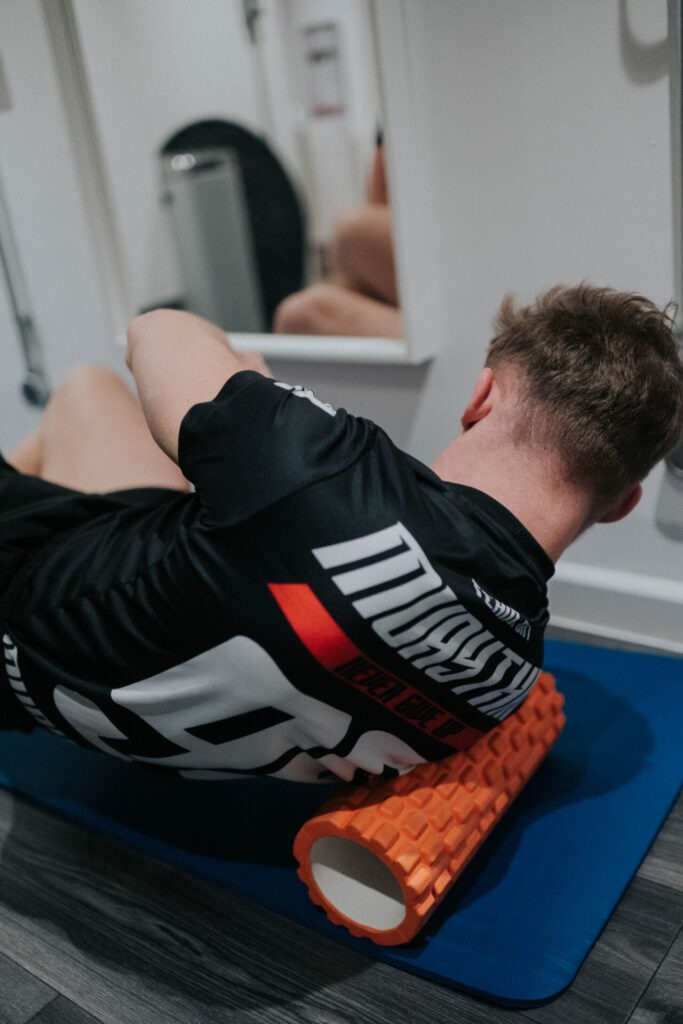
Sciatica Treatment at Function First
At Function First, treatment focuses on more than simply easing your pain. Our goal is to reduce irritation around the sciatic nerve, restore normal movement and help you return to the activities you enjoy with greater confidence.
Your rehabilitation programme will always be tailored to your symptoms, lifestyle and goals. Treatment may include:
Your rehabilitation programme will always be tailored to your symptoms, lifestyle and goals. Treatment may include:
Hands-on Physiotherapy
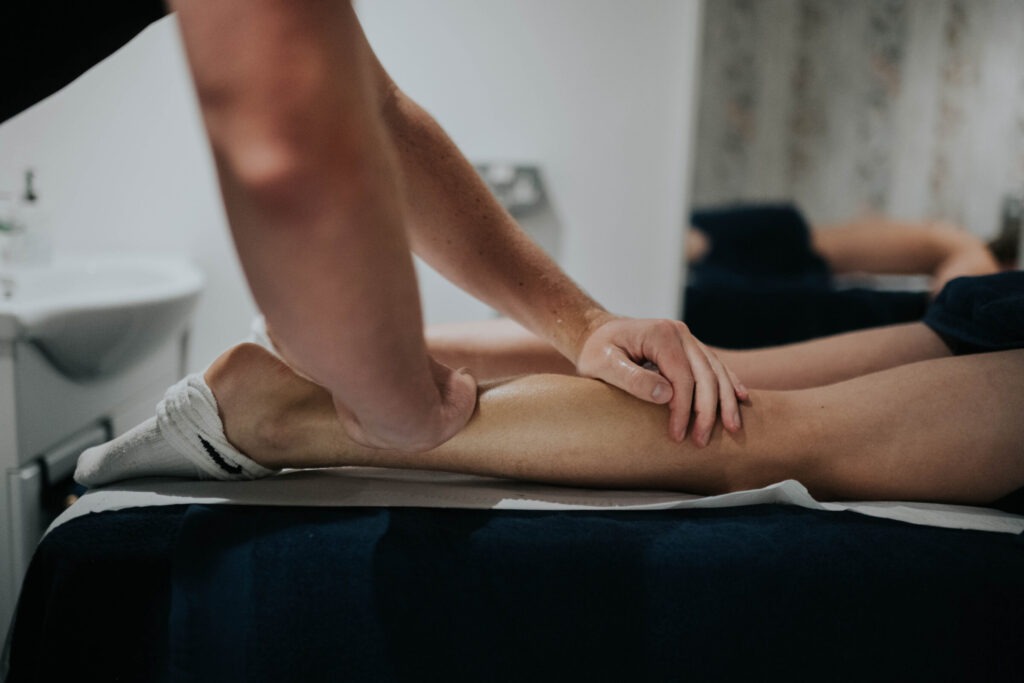
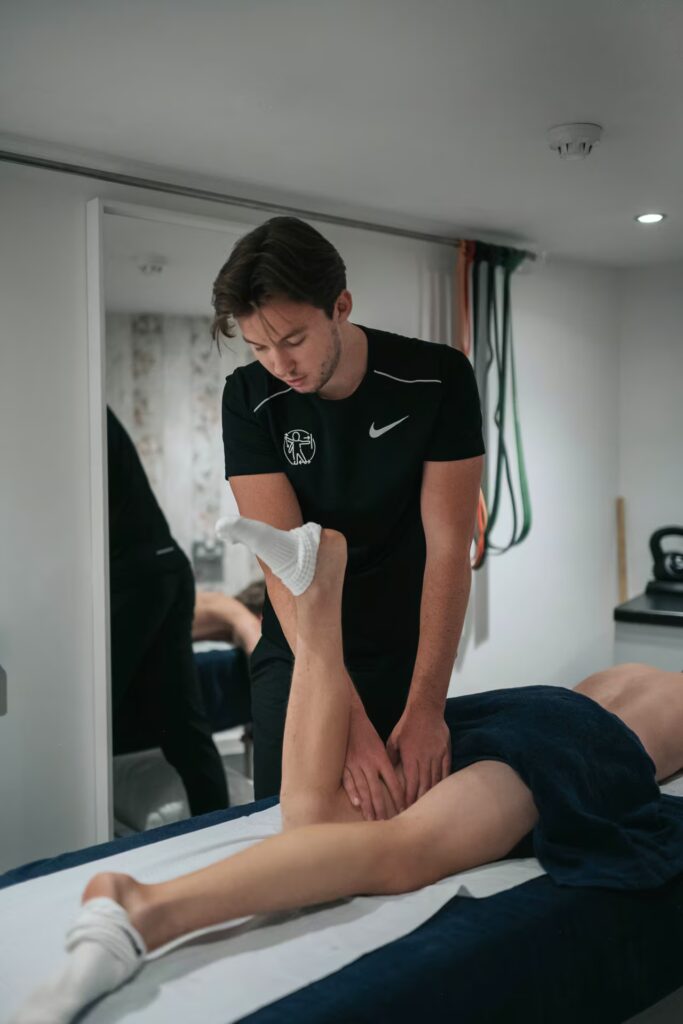
Where appropriate, manual therapy techniques may be used to improve movement around the lower back, hips and pelvis while reducing stiffness and discomfort. These techniques are combined with active rehabilitation to support longer-term improvements.
Individual Exercise Rehabilitation
Exercise forms the foundation of most successful sciatica treatment.
You’ll receive a progressive programme designed to improve spinal mobility, strengthen the muscles that support your back and hips, and gradually increase your confidence in movement.
Your programme will evolve as your symptoms improve, helping you return safely to everyday activities, work and sport.
You’ll receive a progressive programme designed to improve spinal mobility, strengthen the muscles that support your back and hips, and gradually increase your confidence in movement.
Your programme will evolve as your symptoms improve, helping you return safely to everyday activities, work and sport.
Strength and Movement Retraining
Persistent sciatic pain is often influenced by how the body moves.
Using our on-site rehabilitation gym, we’ll identify movement patterns that may be placing unnecessary stress on your lower back and develop a progressive strengthening programme to improve control, stability and resilience.
This approach helps address the underlying cause of the problem rather than simply managing symptoms.
You can also continue your rehabilitation through our Strength & Mobility Training, where appropriate.
Using our on-site rehabilitation gym, we’ll identify movement patterns that may be placing unnecessary stress on your lower back and develop a progressive strengthening programme to improve control, stability and resilience.
This approach helps address the underlying cause of the problem rather than simply managing symptoms.
You can also continue your rehabilitation through our Strength & Mobility Training, where appropriate.
Education and Self Management
Understanding your condition is an important part of recovery.
We’ll explain what’s contributing to your symptoms, advise on activities you can continue safely and provide practical guidance to help you manage flare-ups confidently.
You’ll also receive access to our exercise app, allowing you to follow your rehabilitation programme at home with clear videos and progress tracking.
We’ll explain what’s contributing to your symptoms, advise on activities you can continue safely and provide practical guidance to help you manage flare-ups confidently.
You’ll also receive access to our exercise app, allowing you to follow your rehabilitation programme at home with clear videos and progress tracking.
How Long Does Sciatica Take to Improve?
Recovery varies depending on what’s causing your symptoms, how long they’ve been present and how your body responds to treatment.
Some people notice improvements within a few weeks, while others with more persistent symptoms may require a longer rehabilitation programme.
Throughout your treatment, we’ll regularly review your progress and adjust your exercises as your movement, strength and confidence improve.
Our aim isn’t simply to reduce your pain in the short term. We want to help you build long-term resilience so you can return to work, exercise and everyday life with confidence.
Some people notice improvements within a few weeks, while others with more persistent symptoms may require a longer rehabilitation programme.
Throughout your treatment, we’ll regularly review your progress and adjust your exercises as your movement, strength and confidence improve.
Our aim isn’t simply to reduce your pain in the short term. We want to help you build long-term resilience so you can return to work, exercise and everyday life with confidence.
Can Sciatica Go Away on Its Own?
Some cases of sciatica settle naturally over time, particularly if the irritation around the nerve reduces.
However, if symptoms persist, keep returning or begin affecting your daily activities, it’s important to identify why the nerve is becoming irritated.
Continuing to rely on pain relief or avoiding movement may temporarily reduce symptoms without addressing the underlying cause.
An assessment with a physiotherapist can help determine whether your symptoms are likely to improve with simple advice or whether a structured rehabilitation programme is recommended.
However, if symptoms persist, keep returning or begin affecting your daily activities, it’s important to identify why the nerve is becoming irritated.
Continuing to rely on pain relief or avoiding movement may temporarily reduce symptoms without addressing the underlying cause.
An assessment with a physiotherapist can help determine whether your symptoms are likely to improve with simple advice or whether a structured rehabilitation programme is recommended.
Why Choose Function First for Sciatica Treatment?
Choosing the right physiotherapist can make a significant difference to your recovery.
At Function First, we combine evidence-based physiotherapy with personalised rehabilitation programmes designed around your individual goals.
Our patients benefit from:
- Chartered Physiotherapists registered with the HCPC and CSP
- Thorough one-to-one assessments
- Individual rehabilitation plans
- Modern rehabilitation gym facilities
- Hands-on treatment where appropriate
- Progressive exercise programmes
- Exercise support through our dedicated app
- Ongoing reviews to monitor your progress
- Convenient Barnsley location with free parking
- No GP referral required
Whether your goal is returning to work, getting back into the gym or simply walking without pain, we’ll work with you to develop a treatment plan that supports your recovery every step of the way.
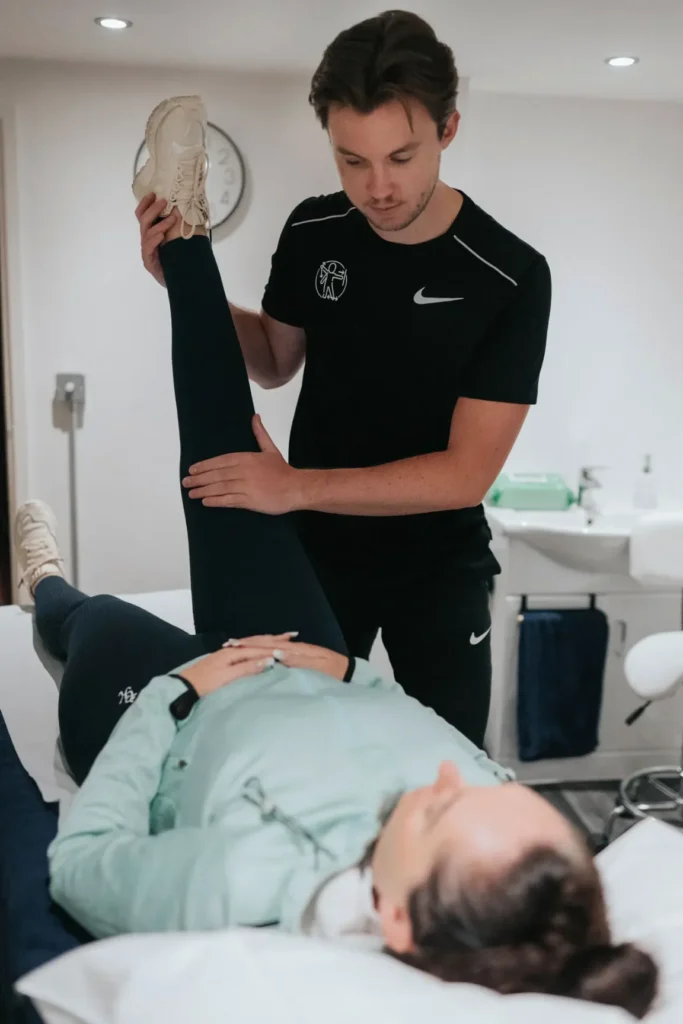
What to Expect at Your Sciatica Appointment
From the moment you arrive at Function First, our focus is on understanding the cause of your symptoms rather than simply treating where it hurts.
Your Initial Assessment
Your first appointment lasts approximately 45 minutes and includes a detailed discussion about your symptoms, medical history and lifestyle. We’ll ask when your pain started, what makes it worse or better and how it’s affecting your work, hobbies and everyday activities.
We’ll then carry out a thorough physical assessment to understand how your spine, hips and nervous system are functioning.
We’ll then carry out a thorough physical assessment to understand how your spine, hips and nervous system are functioning.
Understanding Your Diagnosis
Once we’ve completed your assessment, we’ll explain our findings in plain English. We’ll discuss what we believe is causing your symptoms, why they’ve developed and what you can expect during your recovery.
If we feel further investigations or referral to another healthcare professional would be beneficial, we’ll explain why and help guide you through the next steps.
If we feel further investigations or referral to another healthcare professional would be beneficial, we’ll explain why and help guide you through the next steps.
Beginning Treatment
Where appropriate, treatment may begin during your first appointment. This could include hands-on physiotherapy, guided exercises or practical advice to help reduce irritation around the sciatic nerve.
You’ll also leave with clear guidance on what you should continue doing, what to temporarily avoid and how to manage your symptoms between appointments.
You’ll also leave with clear guidance on what you should continue doing, what to temporarily avoid and how to manage your symptoms between appointments.
Your Ongoing Rehabilitation
Recovery doesn’t stop when you leave the clinic.
Your rehabilitation programme will progress as your symptoms improve, helping you regain strength, confidence and movement at a pace that’s appropriate for you. We’ll regularly review your progress and make adjustments to keep you moving towards your goals.
Your rehabilitation programme will progress as your symptoms improve, helping you regain strength, confidence and movement at a pace that’s appropriate for you. We’ll regularly review your progress and make adjustments to keep you moving towards your goals.
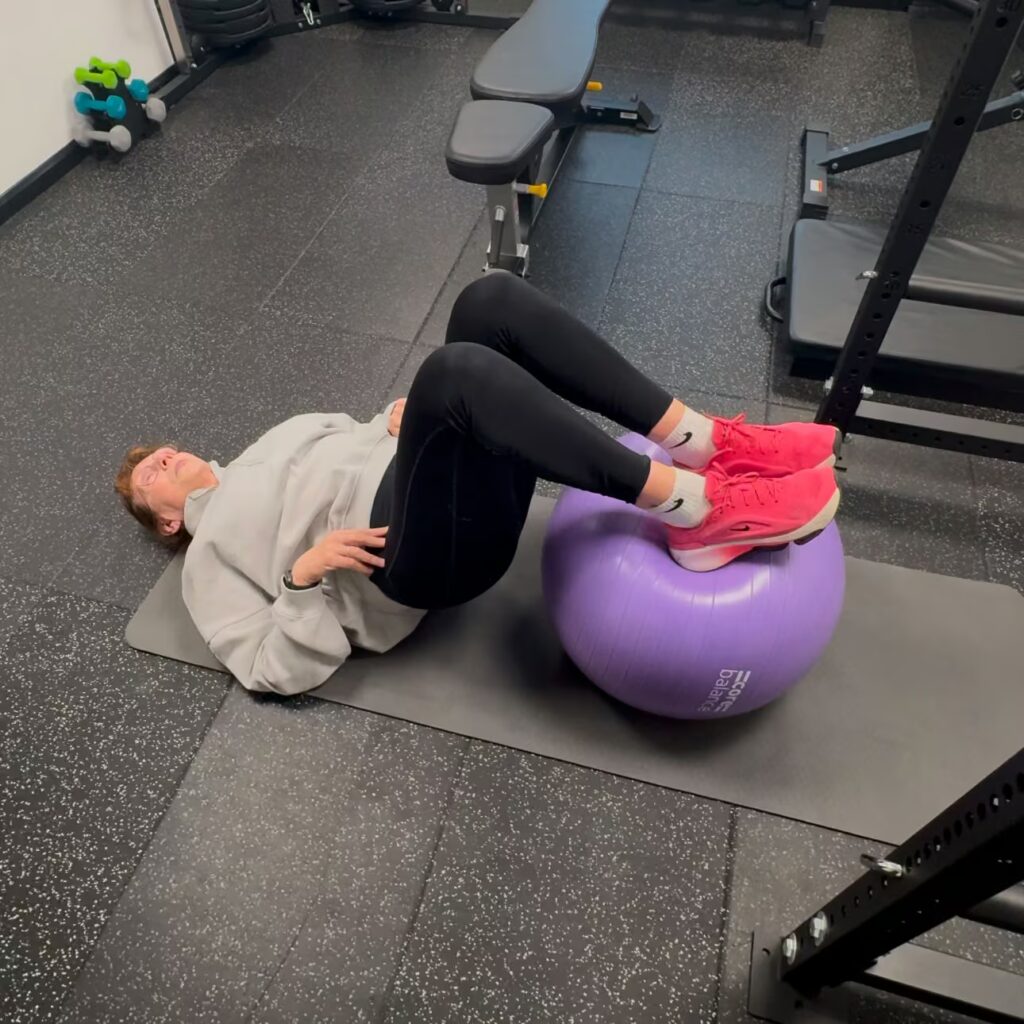
Meet Our Physiotherapists
Every patient at Function First receives personalised care from an experienced Chartered Physiotherapist who is committed to helping you achieve long-term recovery.
Testimonials
Hear From Our Patients
We’re proud to have helped patients across Barnsley overcome back pain, sciatica and other musculoskeletal conditions through personalised physiotherapy and rehabilitation.
Posted on Google
 Andy Kelemen
Trustindex verifies that the original source of the review is Google.
Very professional and helpful, really took my problems into account and is doing all the right things to help would 100% recommend.Posted on Google Tom WMany thanks to Tom for his professional care and bespoke approach. Tom is very much focused on careful dealing with pain, as well as achieving your personal goals. Using his bespoke fitness app allows you to keep on top of your goals. Tom’s continued guidance and adjusting the workout plan helps to stay motivated. Thank you again!Posted on Google
 Axsro memeztom was very knowledgeable and gave me exercises which instantly improved my shoulder pain within the first week!Posted on Google
 Cherrine CoulsonSimply excellent. My son had his first appointment last week for shoulder pain. Tom conducted a thorough assessment and provided targeted stretches and exercises. He explained everything in detail and made sure we understood everything completely. Stretches and exercises are easy to do with items we already have at home. Would definitely recommend.Posted on Google
 S GreenwoodAs a lady of 65yrs I started having knee problems a year ago.GP said it was arthritis and injected my knee which did nothing.I went to see Thomas on the 22nd March which was so very different to other professionals I have visited,I was listened to and examined Tom then gave me exercises to do to alleviate the problem with my knee which is a meniscal tear I'm so relieved!!!! So doing my exercises and will carry on with treatment Tom really knows his stuff !!!!Posted on Google
 Lisa GomersallTom was very friendly and explained everything in detail to me and my daughter. His plan for rehabilitation is very positive. Would highly recommend.Posted on Google
 Aimee GomersallI had a great first session and was given information in lots of detail that was easy to understand. was very beneficialPosted on Google
 Natalie RedhallHad my first session with Tom this week, he explained everything to me fully and nothing was too much trouble. Looking forward to working with Tom and get my shoulder back to where it should be.Posted on Google
 Nick JacksonI was very sceptical at first but I must say Tom knows what he’s talking about Highly recommended Great serviceVerified by TrustindexTrustindex verified badge is the Universal Symbol of Trust. Only the greatest companies can get the verified badge who has a review score above 4.5, based on customer reviews over the past 12 months. Read more
FAQ’s
Frequently Asked Questions
Can physiotherapy help sciatica?
Yes. Physiotherapy is one of the most effective treatments for many cases of sciatica. Treatment focuses on identifying the cause of the nerve irritation before using exercises, movement retraining and, where appropriate, hands-on therapy to improve symptoms and restore function.
Do I need a GP referral?
No. You can book directly with our physiotherapists without seeing your GP first.
Is walking good for sciatica?
For many people, gentle walking can help maintain movement and reduce stiffness. However, everyone’s symptoms are different. During your assessment we’ll advise which activities are appropriate for your stage of recovery.
Can sitting make sciatica worse?
Prolonged sitting can increase symptoms for some people, particularly if a lumbar disc is contributing to the nerve irritation. Small adjustments to posture, regular movement breaks and appropriate rehabilitation can often help.
Will I need a scan?
Not usually. Most cases of sciatica can be diagnosed through a detailed clinical assessment. If your symptoms suggest that imaging or referral is appropriate, we’ll discuss this with you.
How many physiotherapy sessions will I need?
This depends on your symptoms, the underlying cause and your goals. Some patients improve within a few sessions, while others benefit from a longer rehabilitation programme. We’ll discuss this with you following your assessment.
Can I continue exercising?
In many cases, yes. Staying active is often beneficial, although certain movements may need to be modified while your symptoms settle. We’ll provide specific advice based on your assessment.
Is sciatica always caused by a slipped disc?
No. Although disc injuries are a common cause, sciatica can also result from age-related changes within the spine, muscle irritation, joint problems or narrowing around the nerves. Identifying the cause is an important part of choosing the most appropriate treatment.
Book Your Sciatica Assessment in Barnsley
If pain, numbness or tingling is affecting your daily life, don’t wait for it to become more persistent.
Our experienced Chartered Physiotherapists will identify the cause of your symptoms and create a personalised rehabilitation programme to help you move more comfortably and confidently again.
Whether your goal is returning to work, getting back to sport or simply walking without pain, we’re here to support you every step of the way.
Our experienced Chartered Physiotherapists will identify the cause of your symptoms and create a personalised rehabilitation programme to help you move more comfortably and confidently again.
Whether your goal is returning to work, getting back to sport or simply walking without pain, we’re here to support you every step of the way.
Frequently Asked Questions
What is the difference between sciatica and lower back pain?
Lower back pain is a general term that describes pain felt in the lower back, whereas sciatica occurs when the sciatic nerve becomes irritated or compressed. Sciatica usually causes pain that travels from the lower back or buttock down one leg and may also be accompanied by tingling, numbness or weakness. Some people experience both lower back pain and sciatica at the same time.
Can physiotherapy help sciatica?
Yes. Physiotherapy is one of the most effective treatments for many cases of sciatica. At Function First, we identify the underlying cause of your symptoms before creating a personalised rehabilitation programme. Treatment may include hands-on therapy, movement retraining, strengthening exercises and advice to help reduce nerve irritation and improve long-term function.
Do I need a GP referral to book?
No. You can book an appointment directly with one of our Chartered Physiotherapists without seeing your GP first. If we believe further investigation or referral is required following your assessment, we’ll explain this and help guide you through the next steps.
How long does sciatica usually take to recover?
Recovery varies depending on the cause of the nerve irritation and how long symptoms have been present. Some people improve within a few weeks, while others with more persistent symptoms may require a longer rehabilitation programme. Your physiotherapist will discuss realistic recovery expectations following your assessment and monitor your progress throughout treatment.
Should I rest if I have sciatica?
Complete rest is rarely recommended. Although it may be sensible to reduce activities that significantly increase your pain, remaining as active as possible is usually beneficial. Your physiotherapist will advise which activities you can continue safely and which movements should be temporarily modified during your recovery.
Can sitting make sciatica worse?
Yes. Prolonged sitting can increase pressure around the lower back and aggravate the sciatic nerve, particularly if your symptoms are related to a lumbar disc injury. Taking regular movement breaks, improving your sitting posture and following a structured rehabilitation programme can often help reduce symptoms.
Will I need an MRI scan?
Most people do not need an MRI before starting physiotherapy. A detailed clinical assessment is usually enough to diagnose sciatica and begin treatment. Imaging may be recommended if your symptoms are severe, worsening, not responding to treatment or if there are signs of a more serious underlying condition.
Is walking good for sciatica?
Walking can be beneficial for many people as it helps maintain movement and circulation without placing excessive strain on the spine. However, everyone’s symptoms are different. During your assessment, we’ll advise how much walking is appropriate and whether any temporary modifications are needed.
Can exercise make sciatica worse?
The right exercises can help improve sciatica, but the wrong exercises or progressing too quickly may aggravate your symptoms. This is why it’s important to follow a programme that’s tailored to your condition. Your physiotherapist will guide you through exercises that are appropriate for your stage of recovery.
Is sciatica always caused by a slipped disc?
No. Although lumbar disc injuries are one of the most common causes, sciatica can also develop due to spinal stenosis, joint changes, muscle tightness such as piriformis syndrome or other conditions affecting the lower back or pelvis. Identifying the underlying cause is an important part of choosing the most effective treatment.
When should I be concerned about sciatica?
Most cases of sciatica improve with appropriate treatment, but you should seek urgent medical attention if you experience loss of bladder or bowel control, numbness around the saddle area, severe weakness in your leg or symptoms affecting both legs. These can indicate a serious condition requiring immediate assessment.
Why choose Function First for sciatica treatment in Barnsley?
Function First combines detailed assessment with evidence-based physiotherapy to identify the cause of your symptoms rather than simply treating the pain. Our Chartered Physiotherapists create personalised rehabilitation programmes using hands-on treatment, progressive exercise and strength-based rehabilitation in our on-site gym. With no GP referral required, convenient appointments and ongoing support throughout your recovery, we’re committed to helping you return to the activities that matter most.