Sports Injury Treatment in Barnsley
Condition
Expert Sports Physiotherapy to Help You Recover Stronger
At Function First, we provide expert sports injury treatment in Barnsley for athletes, active individuals and anyone whose injury is preventing them from doing what they enjoy. Our Chartered Physiotherapists take the time to understand how your injury happened, identify the tissues involved and create a personalised rehabilitation programme that supports your recovery from the earliest stages through to returning to full activity.
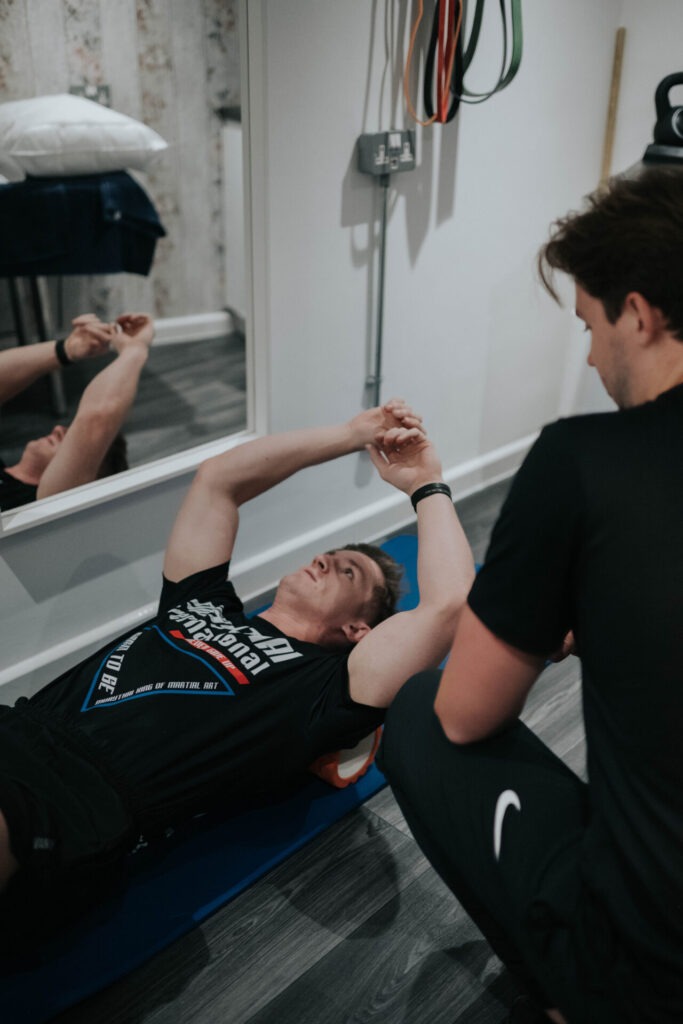
Treatment goes beyond simply reducing pain. We combine hands-on Physiotherapy, progressive exercise rehabilitation and strength-based recovery within our purpose-built rehabilitation gym, helping you rebuild confidence, improve performance and reduce the likelihood of the injury returning.
Whether your goal is getting back onto the football pitch, completing your next marathon, returning to CrossFit or simply enjoying an active lifestyle again, we’ll help you recover safely and confidently.
Why Choose Function First for Sports Injury Rehabilitation?
At Function First you’ll benefit from:
- Chartered Physiotherapists registered with the HCPC and CSP
- Individual rehabilitation programmes tailored to your injury and sport
- A purpose-built rehabilitation gym designed for progressive recovery
- Evidence-based treatment focused on long-term results
- Exercise programmes delivered through our dedicated rehabilitation app
- No GP referral required
- Evening and Saturday appointments available
- Free parking at our Barnsley clinic
- Continuity of care with the same physiotherapist wherever possible
What Is a Sports Injury?
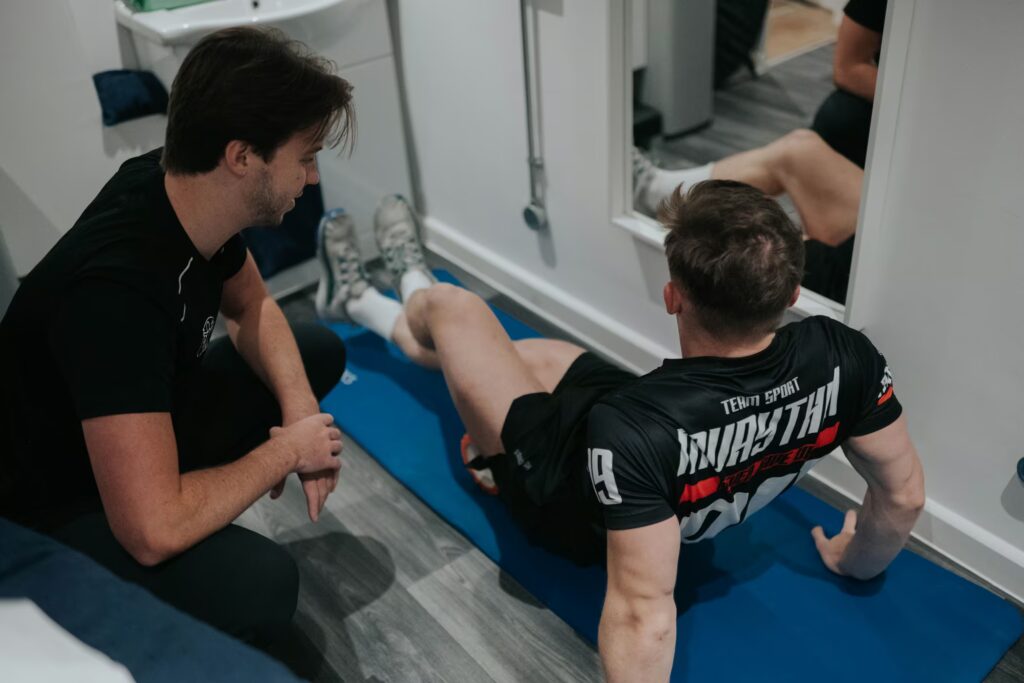
Sports injuries affect people of all abilities, not just professional athletes. We regularly help runners, footballers, rugby players, golfers, cyclists, gym members and active adults who want to stay fit and continue participating in the activities they enjoy.
Many sports injuries also cause persistent joint or muscle pain that continues long after the initial incident. Depending on your symptoms, we may also assess related conditions including Knee Pain, Shoulder Pain, Hip Pain and Back Pain to ensure the underlying cause is fully understood. Most injuries recover well with the right rehabilitation. However, delaying treatment or returning to activity too soon can increase the risk of ongoing pain, reduced performance and repeat injury. Our goal is to identify the cause of your symptoms early and create a rehabilitation programme that supports both your recovery and your long-term performance.
Common Sports Injuries We Treat
Muscle strains and ligament injuries
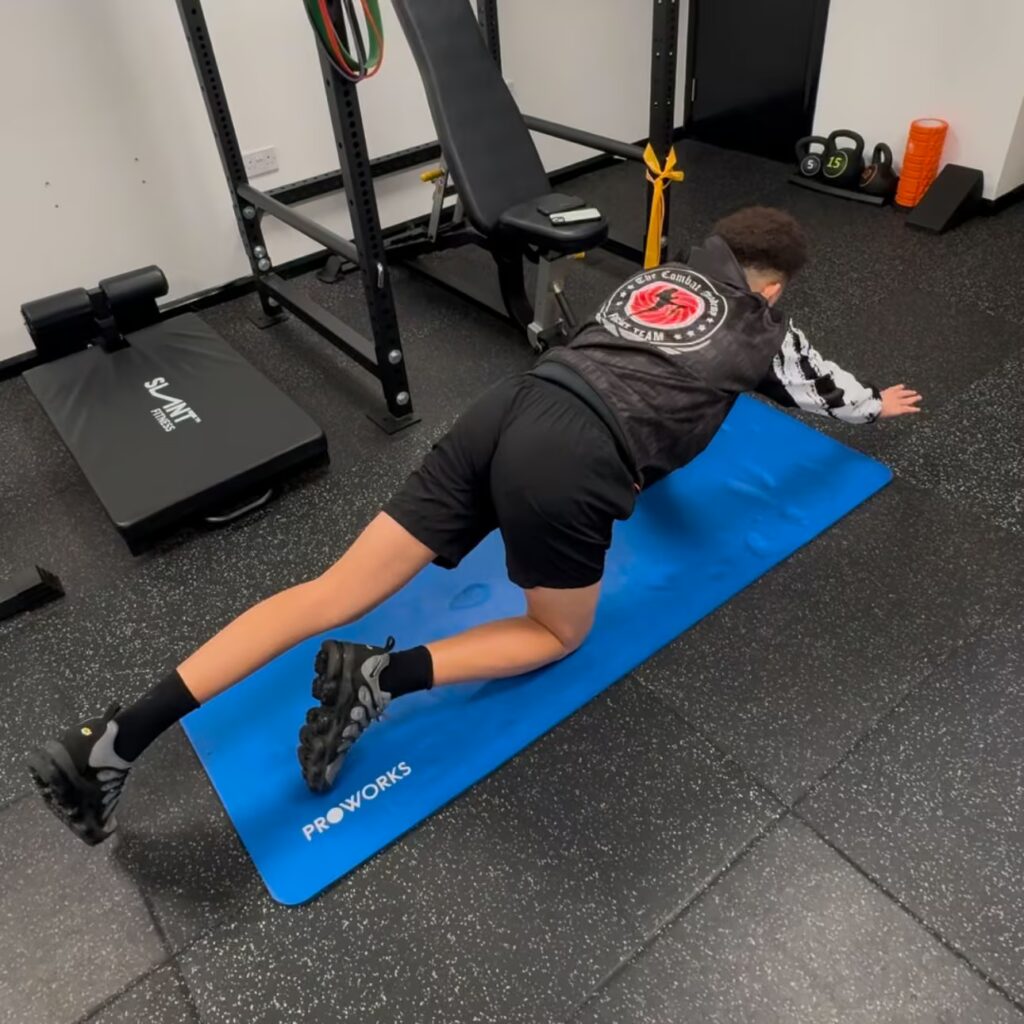
Muscle strains and ligament sprains are among the most common injuries we see, in sport and in everyday life. A strain is an overstretch or tear of a muscle or its tendon, while a sprain affects a ligament, the tissue that connects bone to bone. They range from mild, where fibres are overstretched, to more significant tears that need careful rehabilitation. Common examples include hamstring and calf strains, groin strains, and ankle ligament sprains.
Early management matters: protecting the injury in the first few days, then gradually reintroducing movement and load. The bigger risk is returning too soon, or without rebuilding strength, which is a common reason injuries recur. Our approach guides you through each stage, from settling the initial injury to a full return to sport or activity, with the strength and control to reduce the chance of it happening again.
Tendon and Overuse Injuries
Overuse injuries develop when training volume or intensity increases faster than the body’s ability to recover. These conditions often begin as minor discomfort before gradually becoming more persistent.
We commonly treat:
- Achilles tendinopathy
- Patellar tendinopathy
- Rotator cuff tendinopathy
- Tennis elbow
- Golfer's elbow
Running and Training Injuries
We regularly help patients with:
- Shin splints
- Runner's knee
- Hip pain
- Foot and ankle pain
- Bone stress injuries
Who We Help
Our physiotherapists regularly support:
- Football players
- Rugby players
- Runners
- Cyclists
- Golfers
- Tennis players
- Hyrox athletes
- CrossFit athletes
- Gym members
- Martial artists
- Active adults
- Individuals returning to exercise after injury
How We Diagnose Sports Injuries
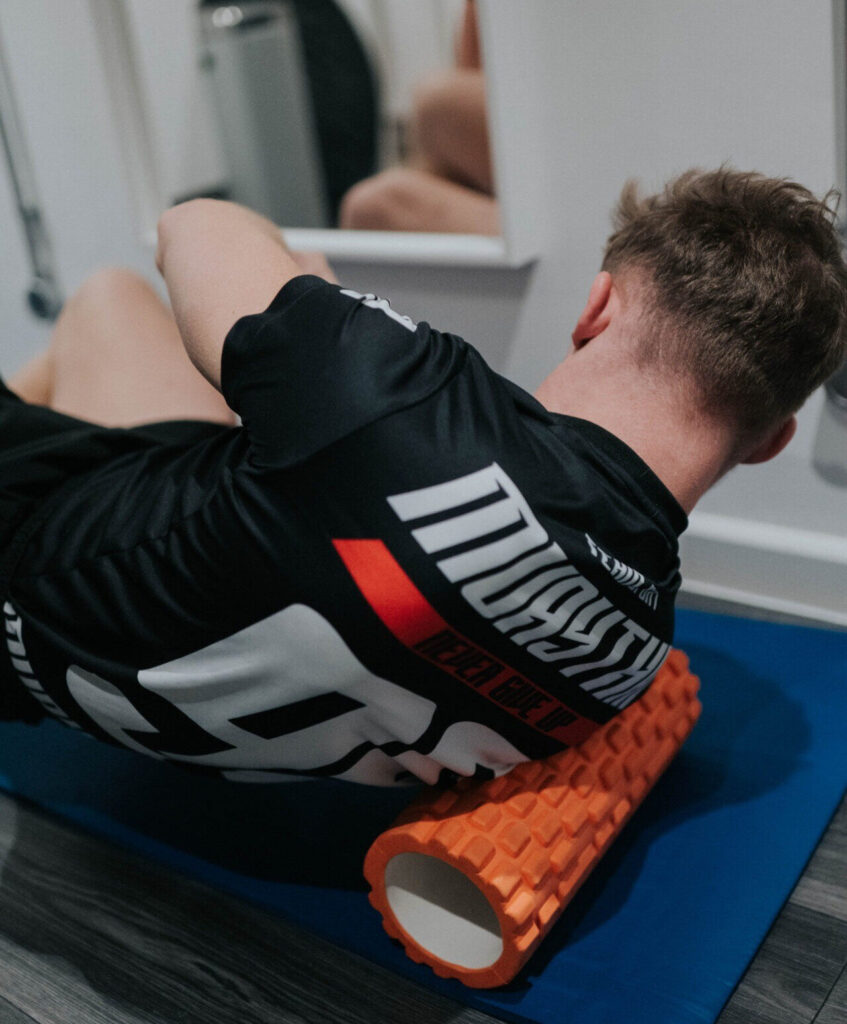
At Function First, every sports injury assessment is carried out by a Chartered Physiotherapist who will take the time to understand exactly how your injury occurred, how it has changed over time and what you need your body to be capable of returning to.
During your appointment we’ll discuss:
- How and when your injury happened
- The sport or activity you participate in
- Your current training volume and goals
- Previous injuries that may be contributing
- Your symptoms and how they've changed over time
- Any treatment you've already received
- Joint movement assessment
- Muscle strength testing
- Ligament stability testingLigament stability testing
- Functional movement assessment
- Balance and coordination testing
- Sport-specific movement analysis
If your assessment suggests that further investigations or specialist referral are appropriate, we’ll explain why and help you access the right care.
Sports Injury Treatment at Function First
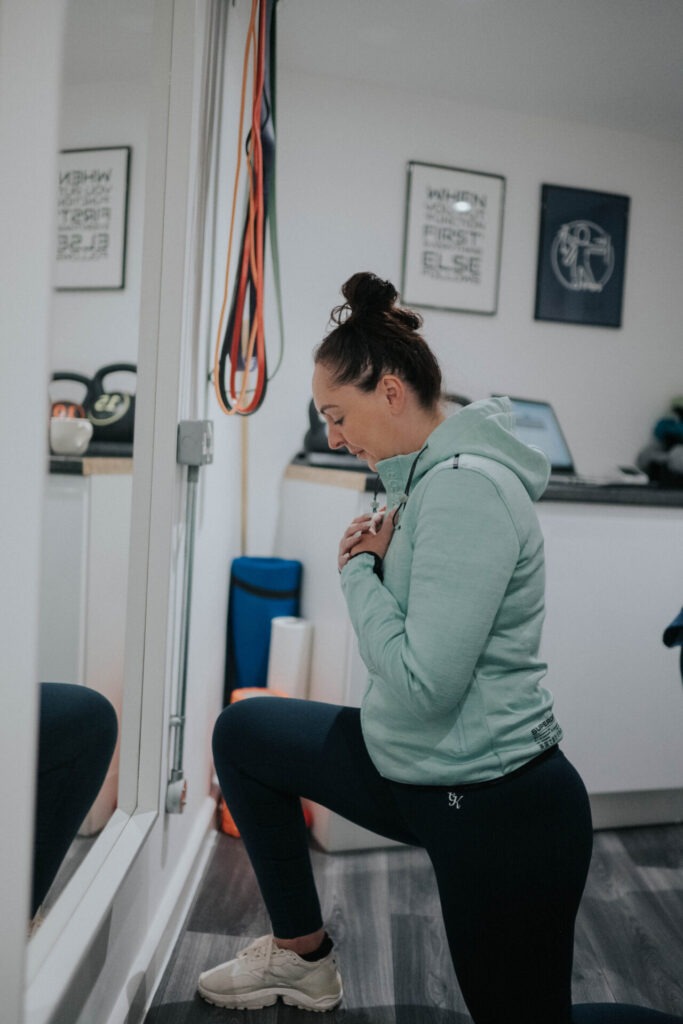
At Function First, treatment is built around your injury, your goals and the physical demands of your sport. Our aim isn’t simply to reduce pain. We want to restore strength, movement and confidence so you can return to activity safely and reduce the likelihood of the injury happening again.
Your rehabilitation programme may include a combination of hands-on treatment, progressive exercise and sport-specific rehabilitation.
Sports Physiotherapy
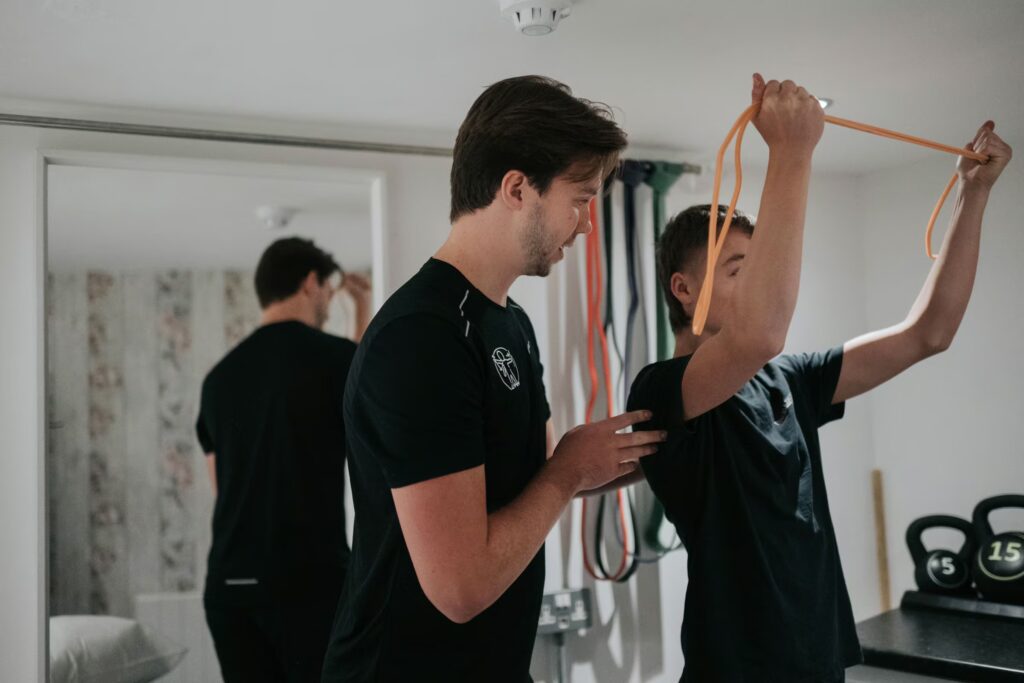
Hands-on treatment may be used to improve joint mobility, reduce muscle tension and restore normal movement where appropriate. This is combined with progressive exercise prescription to improve strength, flexibility and movement quality as your recovery progresses.
Treatment is continually adapted based on your progress rather than following a standard protocol.
Progressive Exercise Rehabilitation
Rather than advising prolonged rest, we’ll introduce the right exercises at the right stage of healing to gradually rebuild your body’s ability to tolerate load.
Your programme may focus on improving:
- Strength
- Mobility
- Balance
- Coordination
- Power
- Running mechanics
- Sport-specific movement
Sports Massage
Strength and Performance Rehabilitation
Pain often settles before the injured tissue has regained the strength and capacity needed for training or competition.
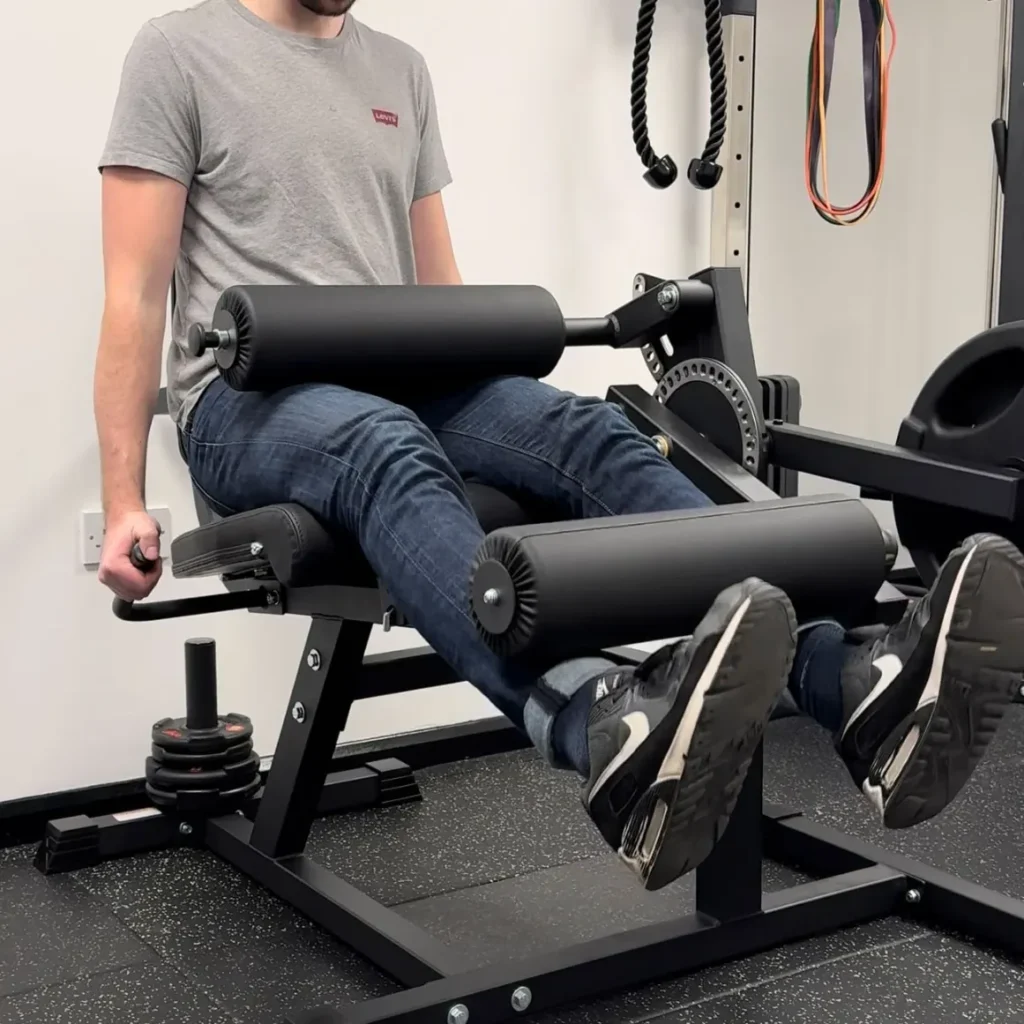
Using our dedicated rehabilitation gym, we’ll progressively increase the demands placed on your body through carefully planned strength and conditioning exercises.
Where appropriate, rehabilitation may progress into our Strength & Mobility Training programme, helping bridge the gap between physiotherapy and returning to unrestricted sport.
Returning to Sport Safely
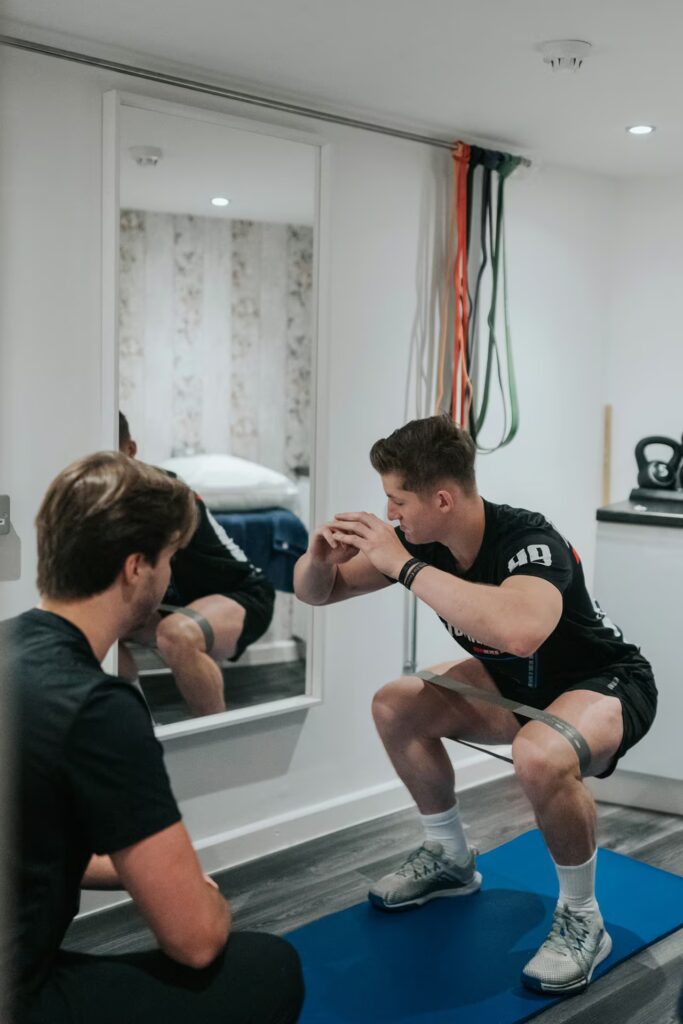
Although pain may have settled, your muscles, tendons or ligaments may not yet be ready for the speed, power and intensity required by your sport. At Function First, we don’t base return-to-sport decisions purely on time.
Instead, we consider factors such as:
- Strength compared with the uninjured side
- Movement quality
- Balance and coordination
- Confidence during sport-specific movements
- Running, jumping and landing ability where appropriate
- Your individual training goals
Why Do Sports Injuries Keep Coming Back?
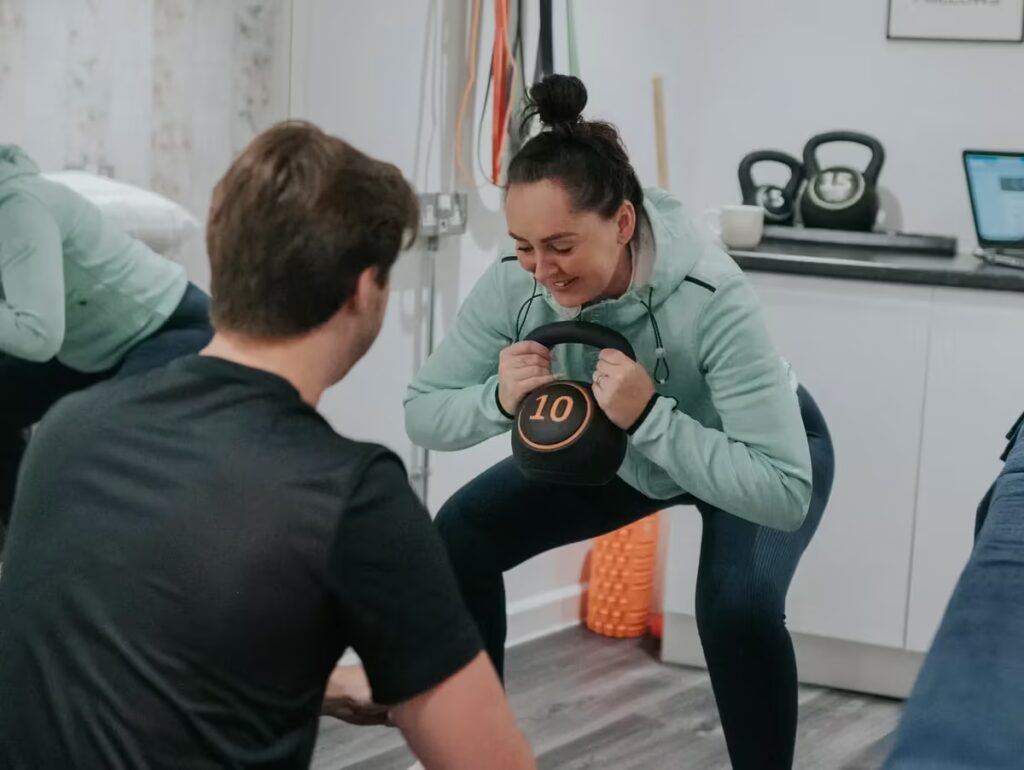
They’re often the result of returning to training before the body has fully recovered or failing to address the factors that caused the injury in the first place.
Common reasons sports injuries return include:
- Returning to sport too quickly
- Weakness following the initial injury
- Sudden increases in training volume
- Poor movement patterns
- Limited mobility
- Previous injuries affecting movement
- Inadequate rehabilitation
How Long Does It Take to Recover From a Sports Injury?
While some mild muscle strains improve within a few weeks, more significant ligament injuries or tendon problems can require a longer rehabilitation programme.
During your assessment we’ll explain what recovery is likely to involve, provide realistic timescales and outline the milestones you’ll work towards before returning to full activity.
Rather than focusing purely on a timescale, we measure progress by improvements in movement, strength, function and confidence, ensuring each stage of rehabilitation prepares you for the next.
What to Expect at Your Sports Injury Appointment
Your Initial Assessment
We’ll ask about:
- How your injury happened
- What movements or activities make it worse
- Your training routine and sporting goals
- Previous injuries
- Your current symptoms and limitations
Physical Examination
- Joint movement testing
- Muscle strength assessment
- Ligament stability testing
- Balance and coordination assessment
- Functional movement analysis
- Sport-specific testing where appropriate
Your Personalised Rehabilitation Plan
Your plan may include:
- Exercises to complete at home
- Activity modification advice
- Training guidance
- Expected recovery milestones
- Advice on returning to sport safely
Meet Our Physiotherapists

Thomas Harley-Blake
Founder and Chartered Physiotherapist (HCPC, CSP)
His rehabilitation programmes combine detailed movement assessment, hands-on physiotherapy and progressive strength training to help patients return to sport with confidence while reducing the likelihood of future injuries.

Marni Sidhu
Chartered Physiotherapist (HCPC, CSP)
Marni has a strong interest in lower limb rehabilitation and helping patients rebuild strength following knee, ankle and sporting injuries.
She develops progressive rehabilitation programmes that focus on movement quality, balance and strength, ensuring patients are physically prepared for the demands of returning to sport.
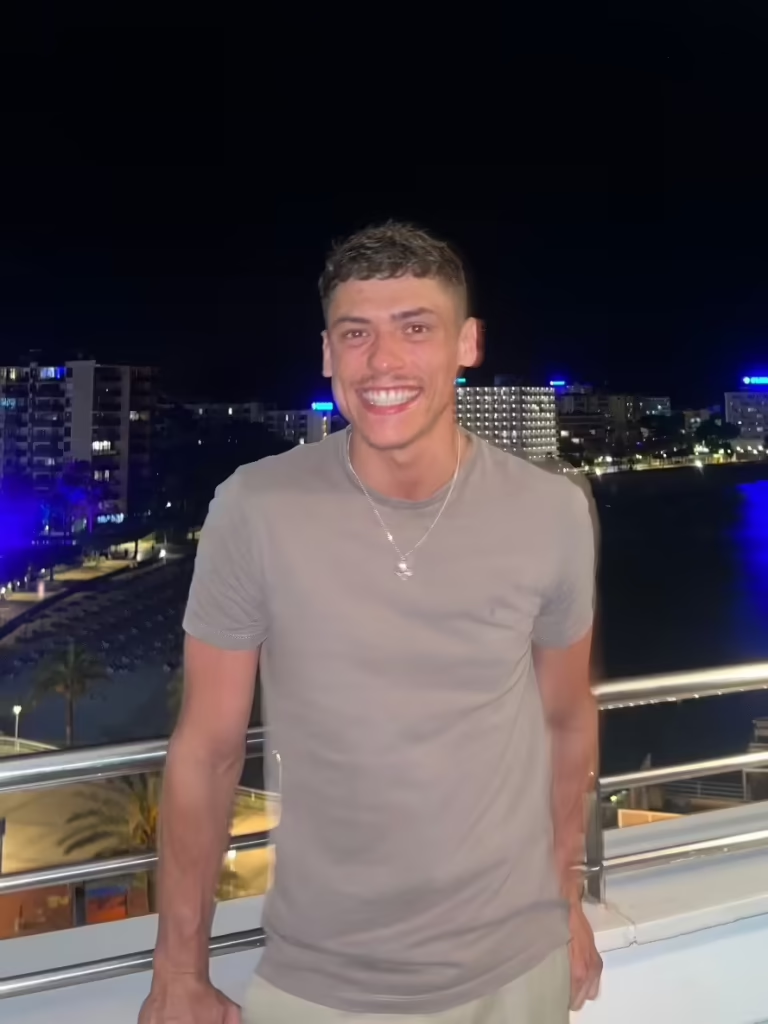
Matteo Parry
Chartered Physiotherapist (HCPC, CSP)
He enjoys helping active people recover from injury while improving movement patterns that reduce the risk of future problems.
Testimonials
What Our Patients Say
Our patients regularly tell us they value the time we take to understand their injury, explain their rehabilitation clearly and support them throughout their recovery.
Posted on Google
 Andy Kelemen
Trustindex verifies that the original source of the review is Google.
Very professional and helpful, really took my problems into account and is doing all the right things to help would 100% recommend.Posted on Google Tom WMany thanks to Tom for his professional care and bespoke approach. Tom is very much focused on careful dealing with pain, as well as achieving your personal goals. Using his bespoke fitness app allows you to keep on top of your goals. Tom’s continued guidance and adjusting the workout plan helps to stay motivated. Thank you again!Posted on Google
 Axsro memeztom was very knowledgeable and gave me exercises which instantly improved my shoulder pain within the first week!Posted on Google
 Cherrine CoulsonSimply excellent. My son had his first appointment last week for shoulder pain. Tom conducted a thorough assessment and provided targeted stretches and exercises. He explained everything in detail and made sure we understood everything completely. Stretches and exercises are easy to do with items we already have at home. Would definitely recommend.Posted on Google
 S GreenwoodAs a lady of 65yrs I started having knee problems a year ago.GP said it was arthritis and injected my knee which did nothing.I went to see Thomas on the 22nd March which was so very different to other professionals I have visited,I was listened to and examined Tom then gave me exercises to do to alleviate the problem with my knee which is a meniscal tear I'm so relieved!!!! So doing my exercises and will carry on with treatment Tom really knows his stuff !!!!Posted on Google
 Lisa GomersallTom was very friendly and explained everything in detail to me and my daughter. His plan for rehabilitation is very positive. Would highly recommend.Posted on Google
 Aimee GomersallI had a great first session and was given information in lots of detail that was easy to understand. was very beneficialPosted on Google
 Natalie RedhallHad my first session with Tom this week, he explained everything to me fully and nothing was too much trouble. Looking forward to working with Tom and get my shoulder back to where it should be.Posted on Google
 Nick JacksonI was very sceptical at first but I must say Tom knows what he’s talking about Highly recommended Great serviceVerified by TrustindexTrustindex verified badge is the Universal Symbol of Trust. Only the greatest companies can get the verified badge who has a review score above 4.5, based on customer reviews over the past 12 months. Read more
FAQ’s
Frequently Asked Questions
Do I need a GP referral for sports physiotherapy?
How soon should I see a physiotherapist after a sports injury?
Can physiotherapy help me return to sport more quickly?
What's the difference between a sprain and a strain?
Do you treat running injuries?
Can you help with gym injuries?
How soon can I return to sport after a strain or sprain?
Will I need a scan?
Can sports massage help my recovery?
How can I reduce the risk of getting injured again?
Why choose Function First for sports injury treatment in Barnsley?
Book Your Sports Injury Assessment in Barnsley
Our experienced Chartered Physiotherapists will identify the cause of your symptoms and create a personalised rehabilitation programme to help you move more comfortably and confidently again.
Whether your goal is returning to work, getting back to sport or simply walking without pain, we’re here to support you every step of the way.